
 by
If you are over 40, new to exercise, or coming back after a long break, you do not need a gym membership or a punishing routine to get stronger. You need a plan you can repeat in a living room, in about 30 minutes, two or three times a week, without worrying about your knees, back, or shoulders.
This guide is that plan. It focuses on the movements that matter most in everyday life — sitting down and standing up, carrying shopping, climbing stairs, and staying steady on your feet — and explains how to do each one well and how to progress without rushing.
Before you start: if you have a health condition, have been inactive for a long time, or are recovering from an injury or surgery, speak to your GP or another qualified health professional first. This article is general information, not medical advice. Sharp pain is always a stop signal. Muscle effort and mild next-day stiffness are normal; lingering joint pain, swelling, dizziness, or chest pain are not — stop and seek advice.
Why strength matters more after 40
From our forties onwards, muscle mass and bone density tend to decline gradually if we do nothing to maintain them. That is not a verdict, and it is not too late to change direction. Regular strength work helps you keep the muscle you have, build a little more, and stay mobile for the things you do each day.
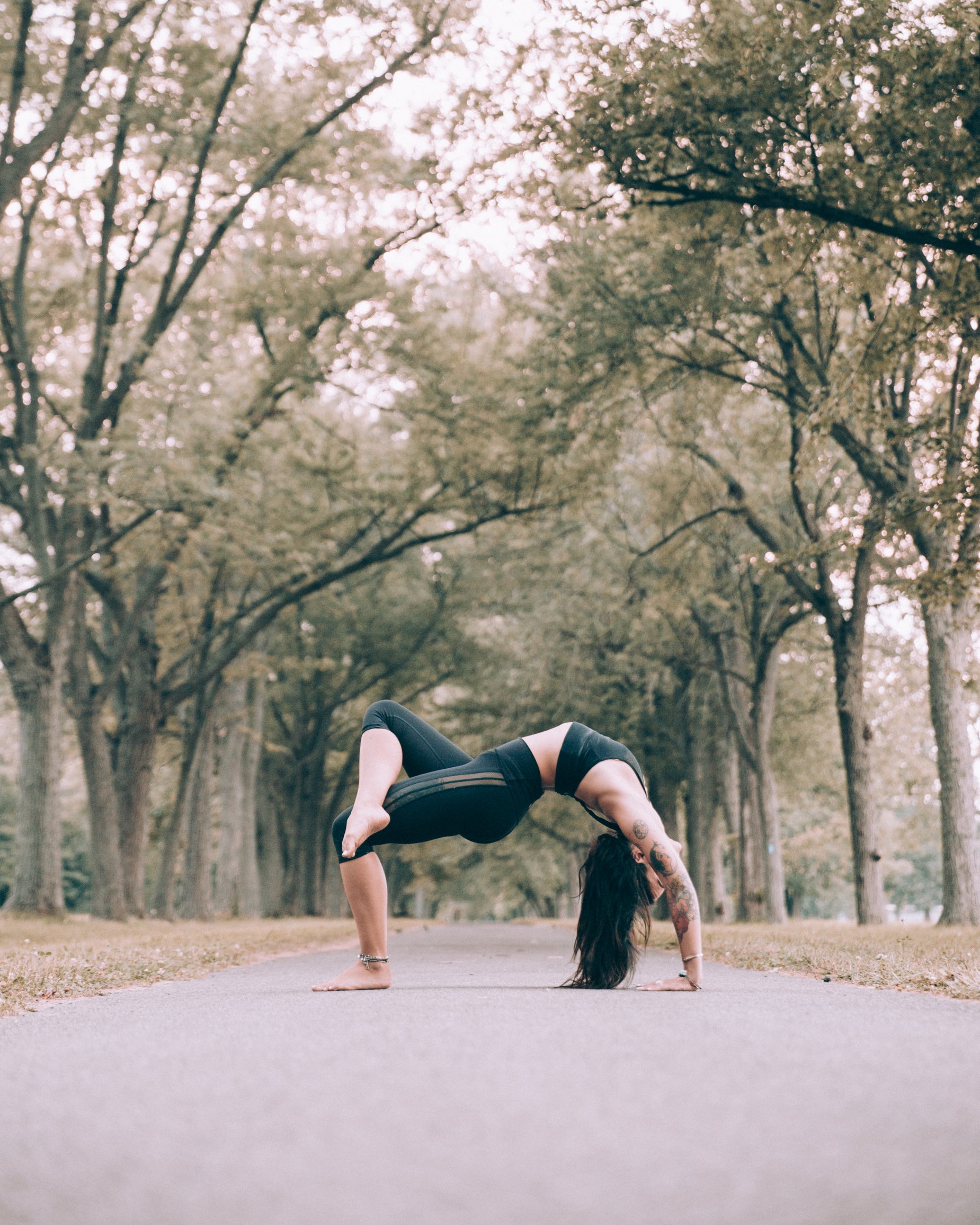
Stronger legs make stairs and hills easier. A stronger back and better posture make long days at a desk or in the kitchen more comfortable. Balance work helps you feel steadier on uneven pavements and in winter. And a short, regular routine is far easier to sustain than an ambitious one you dread.
The UK Chief Medical Officers' guidelines, published by the NHS, give a useful target to work towards over time: at least 150 minutes of moderate-intensity activity a week, or 75 minutes of vigorous activity, plus strengthening activities for all major muscle groups on at least two days a week. You do not need to hit that in week one. Two strength sessions and a few brisk walks a week are an excellent beginning.
How this plan works
Train two or three times a week, on non-consecutive days — for example, Monday and Thursday, or Monday, Wednesday, and Friday. Leave at least one rest day between strength sessions; recovery is when you actually get stronger.
Each session follows the same shape: a five-minute warm-up, a 20–25 minute main workout of six exercises, and a five-minute cool-down of slow stretches. You need no equipment to start: a sturdy chair, a wall, a mat or rug, and water are enough. Later, light dumbbells or a resistance band are a sensible next step, not a requirement.
Work at an effort where the last two repetitions of each set feel challenging but your form stays good. If you could easily do five more repetitions, it is time to progress. If your form falls apart, use the easier version. This "two reps in reserve" rule is a better guide than chasing a particular weight.
The warm-up
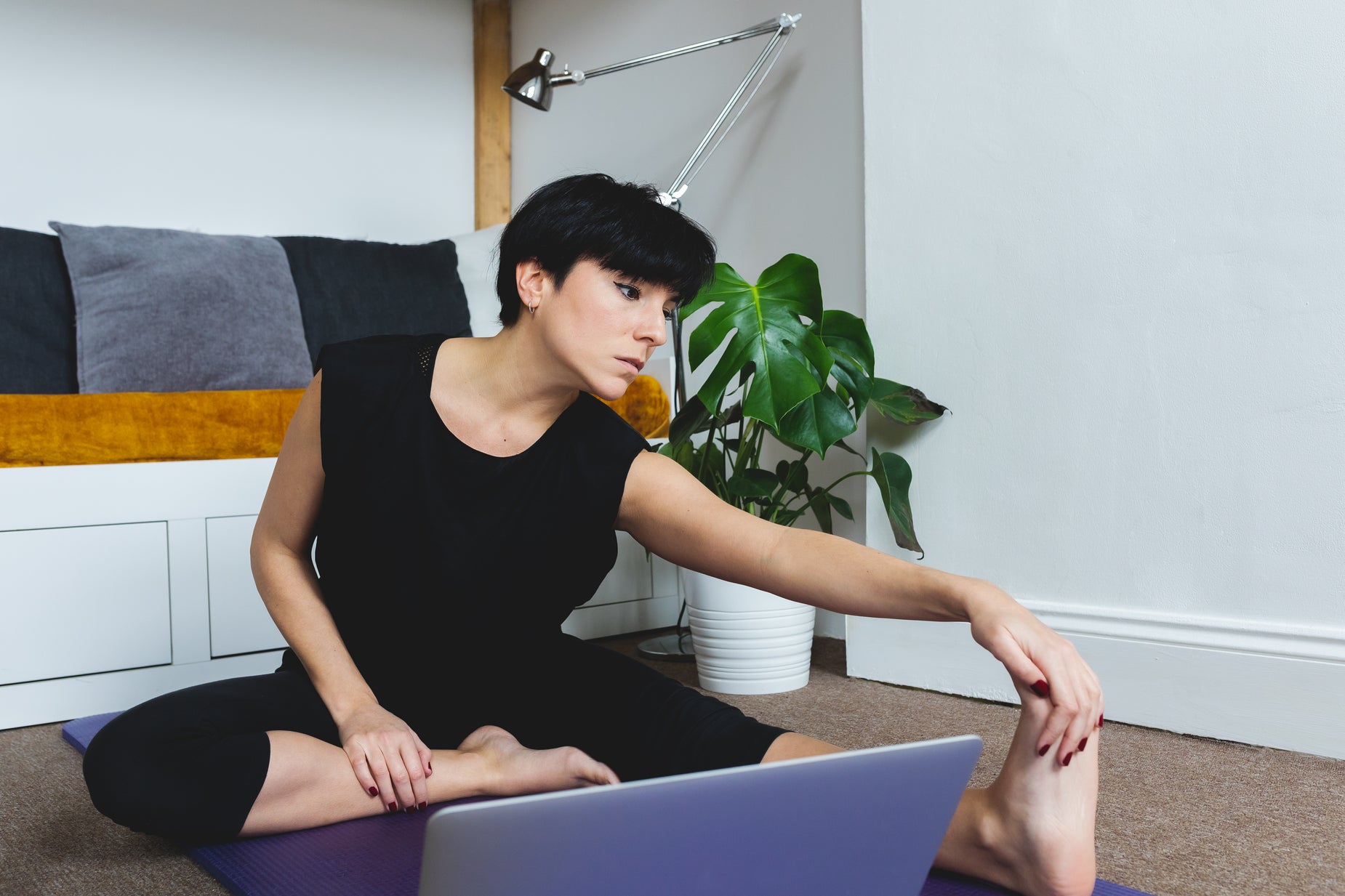
March on the spot for one minute, then do 10 arm circles each way, 10 hip circles each way, 10 slow squats to a comfortable depth, and 10 standing knee lifts. Finish with shoulder rolls and deep breaths. You should feel warmer and looser, not tired. Never skip this, especially first thing in the morning or after sitting all day.
The main workout
Do each exercise for the sets and repetitions shown, resting 45–60 seconds between sets. Move slowly — lower for about two seconds, lift for about one — and breathe out on the effort, in as you return.
1. Chair squat — 2–3 sets of 8–12
Stand in front of a sturdy chair, feet hip-width apart, toes slightly out. Push your hips back, bend your knees, lightly touch the seat, then stand tall through your heels. Keep your chest lifted and your knees in line with your toes, not collapsing inwards. This trains exactly the movement of getting out of a chair, a car, or a low sofa. Make it easier with a higher chair or a shorter range; harder by pausing on the chair, or removing the chair once you are confident.
2. Glute bridge — 2–3 sets of 10–15
Lie on your back, knees bent, feet flat and hip-width apart. Press through your heels, squeeze your glutes, and lift your hips until shoulders, hips, and knees form a straight line. Hold for two seconds, then lower slowly without arching your lower back. This strengthens the hips and back of the legs, supporting your lower back, walking, and standing. Make it harder by holding the top for five seconds.
3. Wall or knee press-up — 2–3 sets of 8–12
For a wall press-up, stand arm's length from a wall, hands flat at shoulder height and slightly wider than your shoulders. Bend your elbows, lower your chest towards the wall, and press back, keeping your body straight from head to heels. For a knee press-up, do the same on the floor with knees down. Press-ups build chest, shoulders, and arms, and teach you to brace your core while your arms work. Step further from the wall to make wall press-ups harder; move to full press-ups only when 12 good knee repetitions feel comfortable.
4. Bent-over row with water bottles — 2–3 sets of 10–12
Stand with feet hip-width apart, a water bottle or light dumbbell in each hand. Hinge forwards from your hips with a slight knee bend, back flat, until your torso is at roughly 45 degrees. Pull your elbows back past your waist, squeezing your shoulder blades together, then lower slowly. Rows strengthen the upper and mid-back, countering the rounded-shoulder posture that creeps in from sitting, driving, and phone use. If your lower back feels strained, stand more upright and reduce the weight.
5. Reverse lunge — 2 sets of 6–8 per leg
Stand tall, holding a chair lightly for balance if needed. Step one foot back, lower your back knee towards the floor, keep your front knee over your ankle, then push through your front heel to stand. Reverse lunges are generally kinder on knees than forward lunges, because you control the step and your front leg stays planted. They train balance and single-leg strength — the strength you use stepping off a kerb or climbing stairs. Shorten the step or range to make it easier; let go of the chair to make it harder.
6. Dead bug — 2 sets of 6–8 per side
Lie on your back, arms towards the ceiling, knees bent at 90 degrees. Press your lower back gently into the mat, then slowly extend one arm overhead and the opposite leg out straight, hovering above the floor, without letting your back arch. Return and switch sides. This is a core exercise, not a sit-up: it teaches your deep core to keep your spine stable while your limbs move. If your back arches, shorten the reach or keep the knee bent.
A sample week
- Monday: Full workout (30 minutes including warm-up and cool-down).
- Tuesday: Rest, or a 20–30 minute walk at a pace where you can talk but not sing — the classic test for moderate intensity.
- Wednesday: Full workout, or rest if you train Monday and Friday instead.
- Thursday: Walk, gentle stretching, gardening, dancing, or swimming.
- Friday: Full workout, if you are doing three sessions a week.
- Weekend: Active recovery — a longer walk or a day off. Rest is part of the plan, not a failure of it.
If you miss a session, do not double the next one to "make up" for it. Just do the next scheduled session. Consistency over weeks beats perfection over days.
Form mistakes to avoid
Rushing repetitions to hit a number, holding your breath, letting your knees collapse inwards, and arching your lower back to lift higher or reach further are the four habits that cause most beginner problems. In every case, a smaller range done well beats a bigger range done badly. Film yourself from the side for one set of squats and rows in week one: you will spot a rounded back, drifting knees, or rushed tempo that you cannot feel, and correcting them early saves months of practising a faulty pattern.
Progressing without getting hurt
Stay with the basic plan for two to three weeks, focusing on form. Then progress one thing at a time: add a third set, add two repetitions, cut rest from 60 to 45 seconds, move from wall to knee press-ups, or add light dumbbells to the row and squat. Pick one progression per week.
Next-day muscle soreness — a dull, even ache in the muscles you worked — is normal and usually fades within 48 hours. Gentle walking on rest days helps more than sitting still. If soreness is severe, one-sided, in a joint, or has not eased after three days, ease off and seek advice.
For nutrition, you do not need a diet overhaul: include a source of protein at each meal, drink water through the day, and prioritise sleep, since much muscle repair happens overnight. On low-energy days, including during perimenopause or menopause, a shorter session or a walk is a sensible choice, not a cop-out. If you experience leaking, heaviness, or pressure during exercise, speak to your GP or a pelvic health physiotherapist before progressing to heavier work.
Frequently asked questions
How many days a week should a woman over 40 work out at home?
Two strength sessions a week is enough to start and to make real progress, matching the NHS guidance for strengthening on at least two days a week. Three is also fine if you recover well. More is not automatically better — recovery days are when strength is built.
Do I need weights to get results at home?
Not at first. Bodyweight exercises are enough for a beginner, because your own body weight is a significant load and the movements are new. Add light dumbbells or a band after a few weeks, when bodyweight repetitions start to feel easy.
What if I have bad knees?
Start with the joint-friendly versions here: chair squats to a comfortable depth, reverse lunges with a short step, and glute bridges. Keep knees tracking over toes and avoid deep bends that cause pain. If knee pain persists or worsens, speak to your GP or a physiotherapist rather than pushing through it.
How long before I see results?
Most beginners feel a difference — less breathlessness on stairs, easier squats, better balance — within three to four weeks. Visible changes take longer, typically eight to twelve weeks. Judge the plan by what you can do, not only by what you see. After four to six weeks, a structured four-week programme or a low-impact version are natural next steps, building directly on the movements learned here.
Related reading
- 4-Week Beginner Workout Plan at Home (No Equipment)
- Low Impact Home Workout Plan for Beginners