
 by
by Quick answer: Is reformer Pilates good for weight loss? Yes, though it works differently to cardio. A session burns 200-450 calories, which isn’t dramatic, but it builds real lean muscle that keeps burning energy long after you’ve left the studio.
How Many Calories Does a Reformer Session Burn?
A typical 50-60 minute class burns roughly 200-450 calories, depending on your bodyweight, intensity, and experience level. Beginners tend to land toward the lower end. Experienced practitioners pushing harder resistance land toward the top.
That’s noticeably less than a hard HIIT or boxing session. This overview from Juniper covers the body composition research in more depth. It’s not nothing, though, and the story doesn’t end with calories burned during class.
Why Reformer Pilates Works Differently Than Cardio
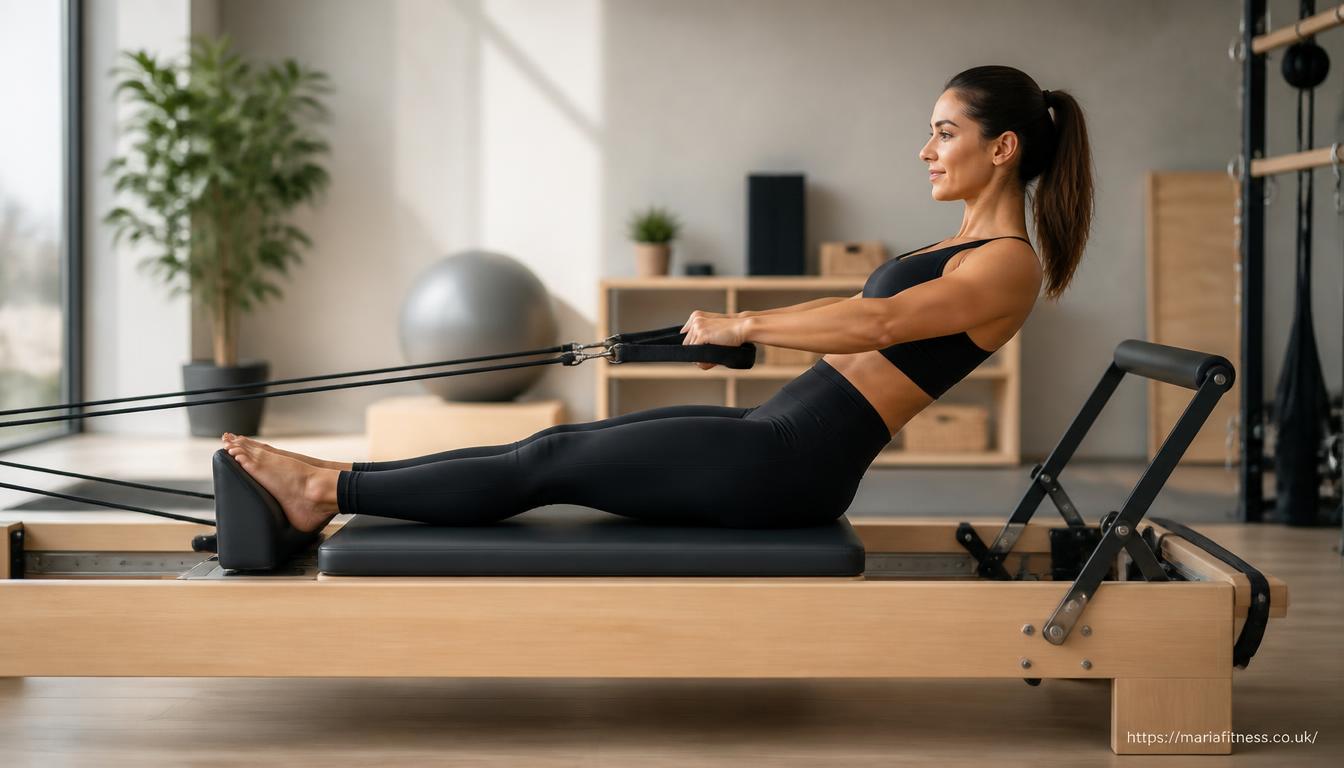
Reformer machines use spring-loaded resistance instead of your own bodyweight alone. That resistance loads your muscles throughout each controlled movement, which builds strength rather than just elevating your heart rate.
Lean muscle burns more energy at rest than fat tissue does. So while the in-class burn looks modest next to cardio, the muscle you build keeps working in the background, well after class ends.
Is Reformer Pilates Good for Weight Loss Compared to Mat Pilates?
Generally, yes. The added spring resistance and greater range of motion on a reformer typically burns more calories than the same sequence done on a mat, without any equipment.
Both versions still support fat loss when practised regularly, so the reformer isn’t a requirement, just an upgrade if you have access to one.
How Often Should You Practise for Results?
Most instructors recommend two to four sessions a week for visible changes in body composition. Research suggests programmes lasting 10 weeks or more tend to deliver the most reliable long-term results.
Early changes usually show up as improved strength, posture, and control, often within four to six weeks. Visible shifts in weight or muscle tone tend to follow a bit later, depending on your diet and overall activity levels.
Getting More Out of Each Session
Higher reps with shorter rest periods between exercises push your calorie burn higher without changing the exercises themselves. This turns a standard session into something closer to a strength-and-conditioning workout.
Beginners shouldn’t worry about pushing intensity immediately, though. The adjustable spring resistance means you can build up gradually as your strength and confidence improve.
What Reformer Pilates Won’t Do on Its Own
It won’t replace cardio for raw calorie burn, and it builds muscle more slowly than traditional resistance training with heavier loads. Treat it as one solid piece of a broader routine rather than your only form of exercise.
Pairing it with some cardio, whether that’s swimming or rowing, rounds things out and adds the calorie burn reformer sessions alone don’t fully deliver.
Final Thoughts
Is reformer Pilates good for weight loss? Yes, particularly as a sustainable, joint-friendly strength option that builds lean muscle over time. It won’t out-burn a hard cardio session, but paired with sensible eating and some consistency, it earns a genuine place in a long-term weight loss plan.
