
 by
by Quick answer: Tai chi walking for weight loss works, but not the way social media claims. It won’t melt pounds overnight. What it does well is lower stress, protect your joints, and build a movement habit you’ll actually stick with. That consistency is where the real results come from.
What Is Tai Chi Walking?
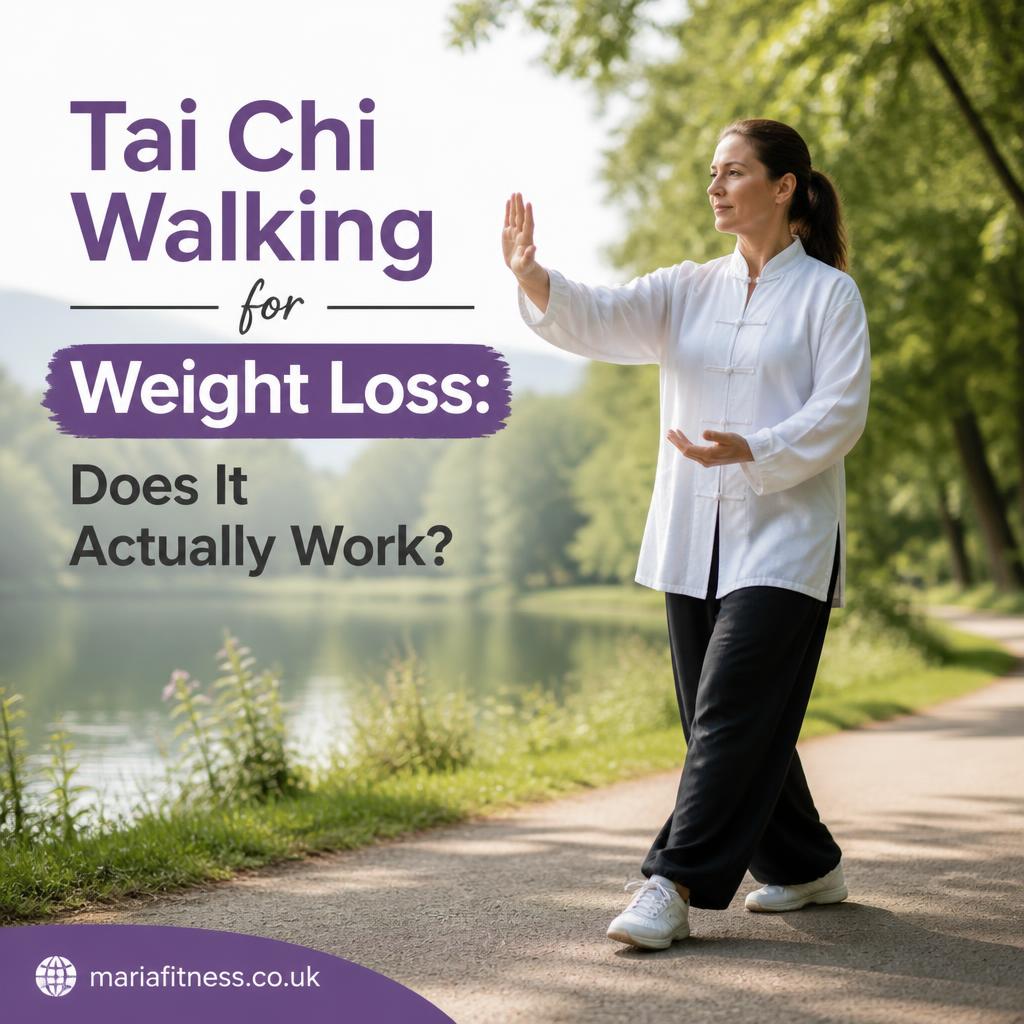
Tai chi walking blends slow, controlled tai chi movements with regular walking steps. Think heel-to-toe transitions, gentle arm movements, and steady breathing, all done at a deliberately unhurried pace.
It comes from tai chi itself, an internal martial art dating back centuries. The walking version strips it down to something simple. No equipment. No studio. Just a bit of floor space and ten to fifteen minutes.
Does Tai Chi Walking for Weight Loss Actually Burn Calories?
Not many, honestly. The pace is slow by design. Your heart rate barely climbs, which means the direct calorie burn stays modest.
One yoga therapist and Tai Chi for Health instructor has pushed back publicly on viral claims like losing 25 pounds in four weeks. Those numbers don’t hold up. This expert interview via Yahoo Health breaks down what’s realistic instead. Tai chi walking simply isn’t intense enough to drive results like that on its own.
So Why Do People See Results With It?
The real mechanism isn’t calorie burn. It’s cortisol. Chronic stress raises cortisol levels, and elevated cortisol is linked to stubborn fat storage, especially around the midsection.
Tai chi walking lowers stress reliably. Less cortisol circulating in your system can support healthier weight regulation over time, even without a punishing workout behind it.
There’s a habit effect too. Practitioners often describe it as a keystone habit. Once you’re moving daily, other healthy choices tend to follow, better sleep, more mindful eating, more energy for other activity.
Who Benefits Most From This Approach?
Anyone managing joint pain, arthritis, or limited mobility gets the biggest upside here. Traditional cardio can aggravate those conditions. Tai chi walking doesn’t.
It also suits complete beginners well. If the idea of a gym workout feels overwhelming, this offers a genuinely gentle entry point into regular movement, without the intimidation factor.
How to Get Real Weight Loss Results From It
Treat tai chi walking as one piece of the puzzle, not the whole strategy. Pair it with a sensible calorie deficit through diet, since that still drives the bulk of any weight change.
Layering in some higher-intensity movement helps too. A few sessions of running, cycling, or brisk walking each week adds the cardiovascular intensity that tai chi walking alone doesn’t provide.
Ten to fifteen minutes a day is a realistic starting point. Consistency matters more than duration when you’re building a new habit from scratch.
Final Thoughts
Tai chi walking for weight loss isn’t a shortcut, whatever the viral claims suggest. Used honestly, it’s a low-impact stress reliever that makes consistent movement easier to sustain. Combine it with proper nutrition and a bit of higher-intensity exercise, and it becomes a genuinely useful piece of a bigger, more sustainable plan.
