
 by
by Quick answer: Weight loss injections like Wegovy and Mounjaro work by suppressing appetite through the GLP-1 hormone pathway. They’re genuinely effective, with trial results showing 15-20% body weight loss over roughly a year. They’re also prescription medications with real side effects, not a casual shortcut, and they work best alongside diet and exercise changes, not instead of them.
What Are Weight Loss Injections?
Weight loss injections are prescription medications that mimic a hormone called GLP-1. That hormone slows digestion and signals fullness to your brain. The result is reduced appetite and smaller portions without constant hunger.
They’re given as a weekly injection, usually into the stomach, thigh, or upper arm using a pre-filled pen. Most people start on a low dose. That dose increases gradually over several weeks to limit side effects.
Wegovy vs Mounjaro vs Ozempic: What’s the Difference?
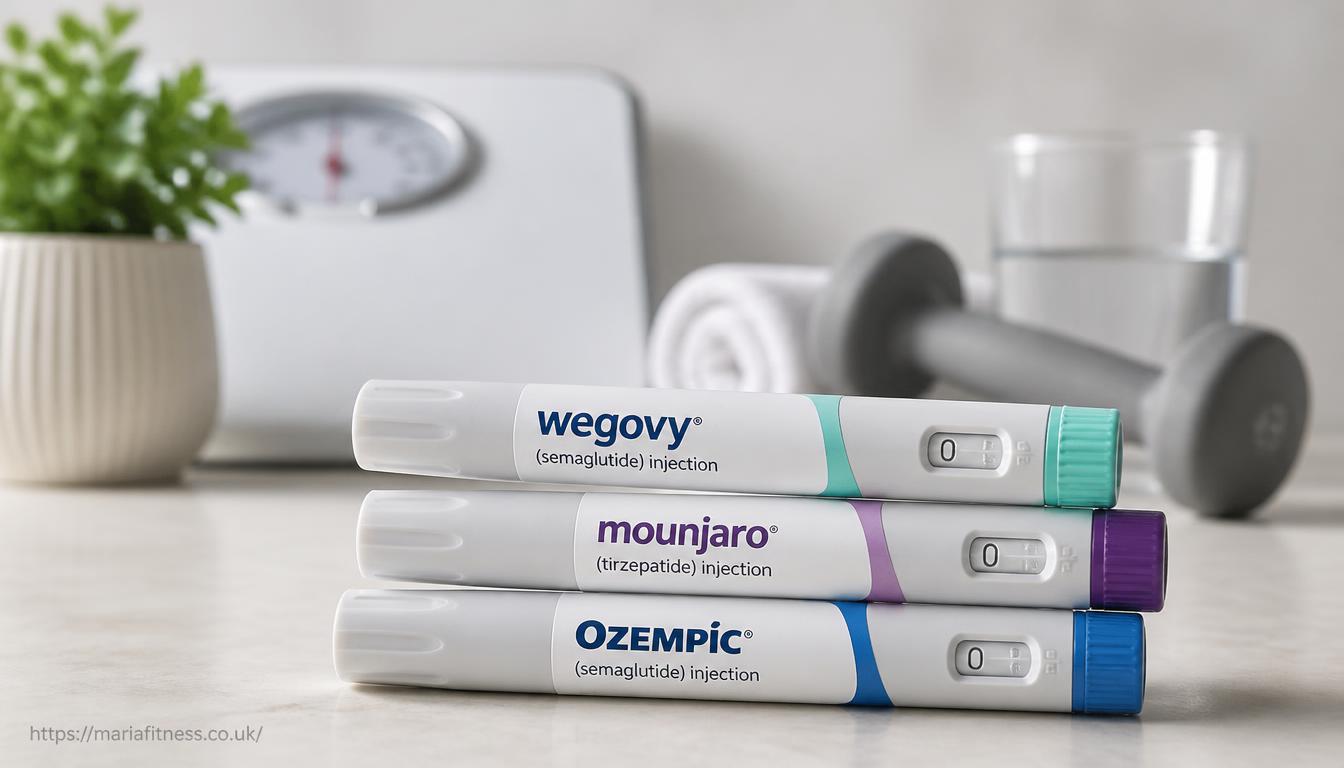
Wegovy and Ozempic both contain semaglutide. Wegovy is licensed in the UK specifically for weight management. Ozempic is only licensed for type 2 diabetes, though it’s sometimes prescribed off-label for weight loss too.
Mounjaro contains a different active ingredient, tirzepatide. It targets two hormone receptors instead of one, which appears to make it somewhat more effective in head-to-head trials.
All three fall under the same drug class, GLP-1 receptor agonists. But only Wegovy and Mounjaro currently hold UK approval for weight loss specifically.
How Much Weight Do People Actually Lose?
Clinical trial data suggests real, substantial results. Mounjaro users lost around 20% of body weight over 72 weeks in trial conditions. Wegovy users lost closer to 14-17% over a similar timeframe.
Results vary a lot in real-world use. Diet, activity levels, dosage, and individual response all play a role. Most people notice reduced hunger within a few weeks, though visible weight change usually takes two to three months to show clearly.
Common Side Effects to Know About
Nausea is the most commonly reported issue, especially early on as your body adjusts. Vomiting, diarrhoea, and stomach cramps show up frequently too.
Fatigue, headaches, and hair loss get reported less often but still regularly. Less common but more serious risks include gallbladder problems and, rarely, pancreatitis. Anyone considering these medications should discuss their full medical history with a prescriber first.
Who Can Get Weight Loss Injections on the NHS?
NHS access comes with strict criteria, typically tied to BMI thresholds and existing weight-related health conditions. Availability through GP surgeries and specialist weight-management clinics is still limited, though the NHS has committed to expanding access over the coming years.
Most people currently using these drugs in the UK get them through private prescription instead. Private costs typically run from around £150 to £300 a month, depending on the medication and dose.
What Happens When You Stop Taking Them?
Weight regain is common once treatment stops, according to UK health experts. The appetite-suppressing effect fades fairly quickly once the medication leaves your system.
That’s why prescribers generally pair these injections with structured support around eating and exercise habits. Building those habits during treatment matters far more than the injection alone, particularly for keeping results long term. Our guide on why weight loss can stall in a calorie deficit covers some of the same underlying principles.
Final Thoughts
Weight loss injections are a legitimate medical tool, not a magic fix. They come with real evidence behind them, alongside real costs and real side effects. Anyone considering them should talk to a GP or qualified prescriber first, rather than sourcing them informally, and should go in expecting to build lasting habits alongside the medication, not instead of them.


