
 by
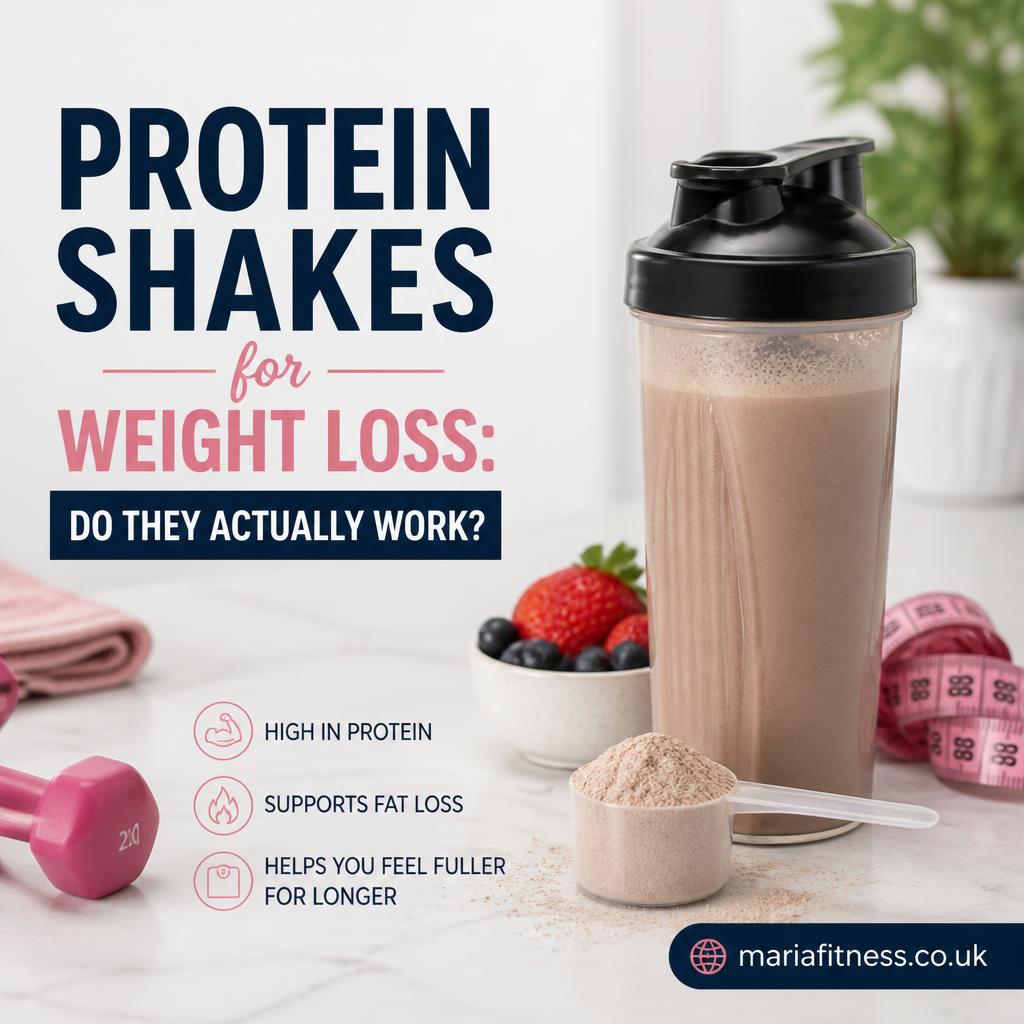
by Quick answer: Yes, protein shakes for weight loss can genuinely help. They’re not magic. But they make it much easier to stay full, protect muscle, and stick to a calorie deficit. The shake itself doesn’t burn fat. The habits it supports do most of the work.
Why Protein Helps With Weight Loss
Protein keeps you full longer than carbs or fat. That’s not a myth. It’s down to how slowly protein digests. A high-protein shake in the morning can genuinely reduce how much you eat later in the day.
There’s also the thermic effect of food. Your body burns more calories digesting protein than it does digesting carbs or fat. It’s a small effect. But over weeks and months, small effects add up.
Protein does one more important job during a diet. It helps protect your muscle mass. Losing weight usually means losing some muscle too, unless you eat enough protein and stay active. Muscle burns more calories at rest than fat does, so keeping it matters for your metabolism.
Protein Shakes vs Whole Food Protein
Most people can hit their protein targets through food alone. Eggs, chicken, fish, and dairy all deliver plenty. So why bother with a shake?
Convenience is the honest answer. A shake takes two minutes to make. A balanced meal doesn’t. For busy mornings, post-workout recovery, or bridging a long gap between meals, a shake often wins on practicality alone.
Whole foods still have the edge nutritionally. They bring fibre, micronutrients, and variety that a shake can’t fully replace. Think of shakes as a useful add-on, not a replacement for real meals across the board.
Best Times to Drink Protein Shakes for Weight Loss
Right after a workout is a popular choice. Your muscles are primed to use that protein for repair. It’s a smart window, though not the only one that matters.
Between meals works well too. If lunch and dinner are hours apart, a shake can stop you reaching for something less useful when hunger hits. Total daily protein intake matters more than exact timing, so don’t stress too much about hitting a precise window.
Some people use a shake as an occasional meal replacement. That’s fine now and then. Add some fibre or healthy fats to round it out, and don’t rely on it as your only meal, day after day.
Choosing the Right Protein Powder
Whey protein is the most researched option, and it’s a complete protein with all the essential amino acids. It’s usually the cheapest per gram of protein too.
Can’t handle dairy? Soy, pea, and hemp protein all offer solid plant-based alternatives. Soy in particular matches whey fairly closely on quality.
Look for around 15-25 grams of protein per serving, with minimal added sugar. Some shakes pack in more sugar than a can of soft drink, which quietly undoes a chunk of the benefit. This dietitian-reviewed breakdown from AOL covers more on picking a decent one.
Common Mistakes People Make
The biggest one? Adding a shake on top of your usual diet, then wondering why the scale hasn’t moved. A shake only helps if it replaces less useful calories, not if it simply adds more on top.
Skipping exercise is another common gap. Protein supports muscle building and repair, but it needs some training to actually work with. Pairing shakes with resistance training, something we cover in our high protein breakfast guide, tends to deliver far better results than diet changes alone.
Final Thoughts
Are protein shakes for weight loss worth it? For most people juggling busy schedules, yes. They won’t do the work by themselves. But paired with a sensible calorie deficit and some training, they make the whole process noticeably easier to stick with. That consistency, more than any single shake, is what actually gets results.


